.png)
Www.xxxfullvideos.com.in !link! -
The future of entertainment isn't more content; it's better curation —by humans, for humans. The next blockbuster won't be a movie. It will be the decision to turn off the screen.
Social media platforms like TikTok, Instagram, and YouTube have democratized content creation. The "audience" is now the "creator." This shift has birthed the , where a person filming in their bedroom can command more attention—and advertising revenue—than a traditional television network. Popular media is no longer just about what Hollywood produces; it’s about what the global community shares.
The same algorithmic power that delivers diverse stories also delivers misinformation. Because is often designed to be emotionally manipulative, bad actors easily cloak propaganda as entertainment. Moreover, the fragmentation of media has ended the "shared reality." In the 1980s, 80% of Americans read the same news. Today, one person’s popular media diet might consist of far-right TikTok conspiracies, while another’s consists entirely of Broadway vlogs and anime breakdowns. These two people do not occupy the same factual universe.
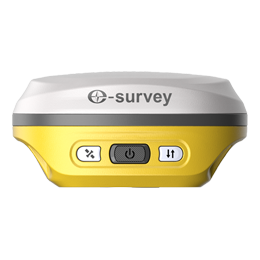 eRTK10 mini
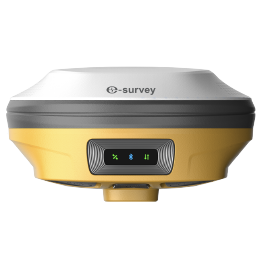 eRTK20
 eRTK25
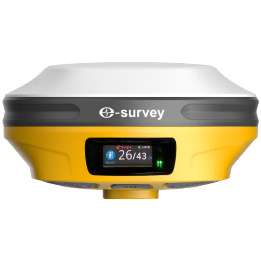 eRTK30
 eRTK10
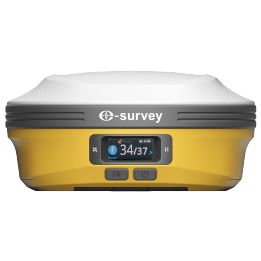 eRTK60
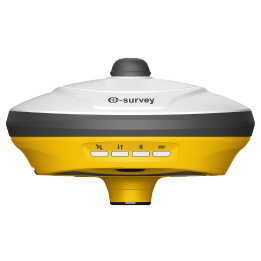 eBase 20
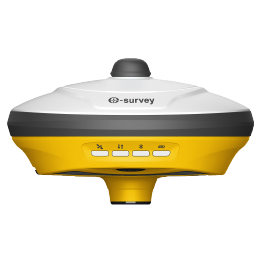 E200
E200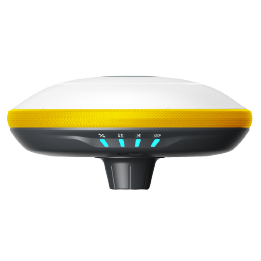 E300 Pro
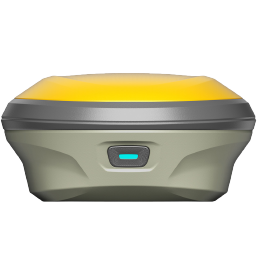 E500
E500 E800
E800 E600
E600 eDMR1
eDMR1 NET10
NET10 NET20 PLUS
 eHP10
eHP10 P8III
P8III P9IV
P9IV UT32
UT32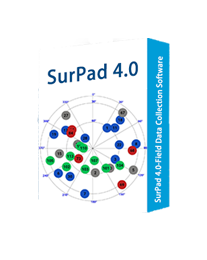 Surpad4.2
 GEOSolution
 GNSS.NET
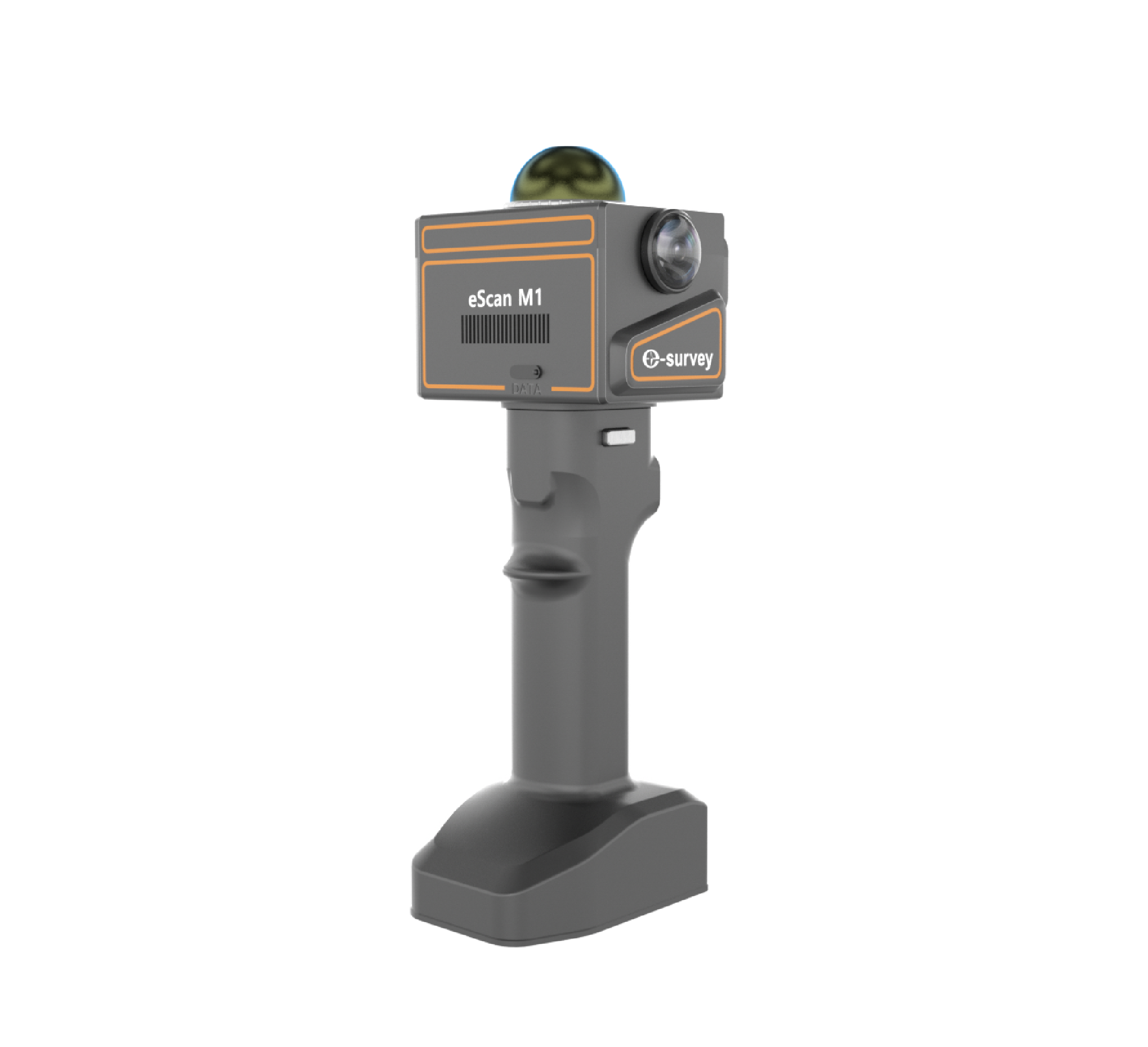
 eScan M1
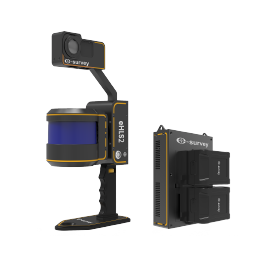 eHLS2
eHLS2 eME10
eME10 eME30
eME30 eMP10
eMP10 eMG30
eMG30 eMR10
eMR10 eMB10
eMB10 eMC10
eMC10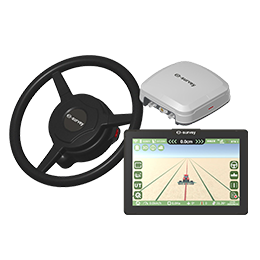 EAS502
 Bestar 301
  EAS301 Pro Motor
 EAS301 Pro Hydraulic
 EAS100
 VE115
VE115 VE158
VE158 eTS32
eTS32 E3
E3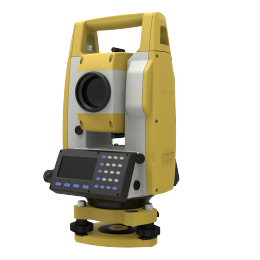 eTS2
eTS2 eTS8
eTS8 ESL2
ESL2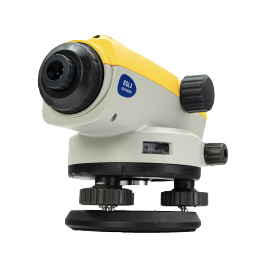 ESL3
ESL3 ET2A
ET2A TRU35
TRU35 UA91
UA91 UA92
UA92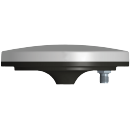 UA35
UA35