Local-First Worship Software
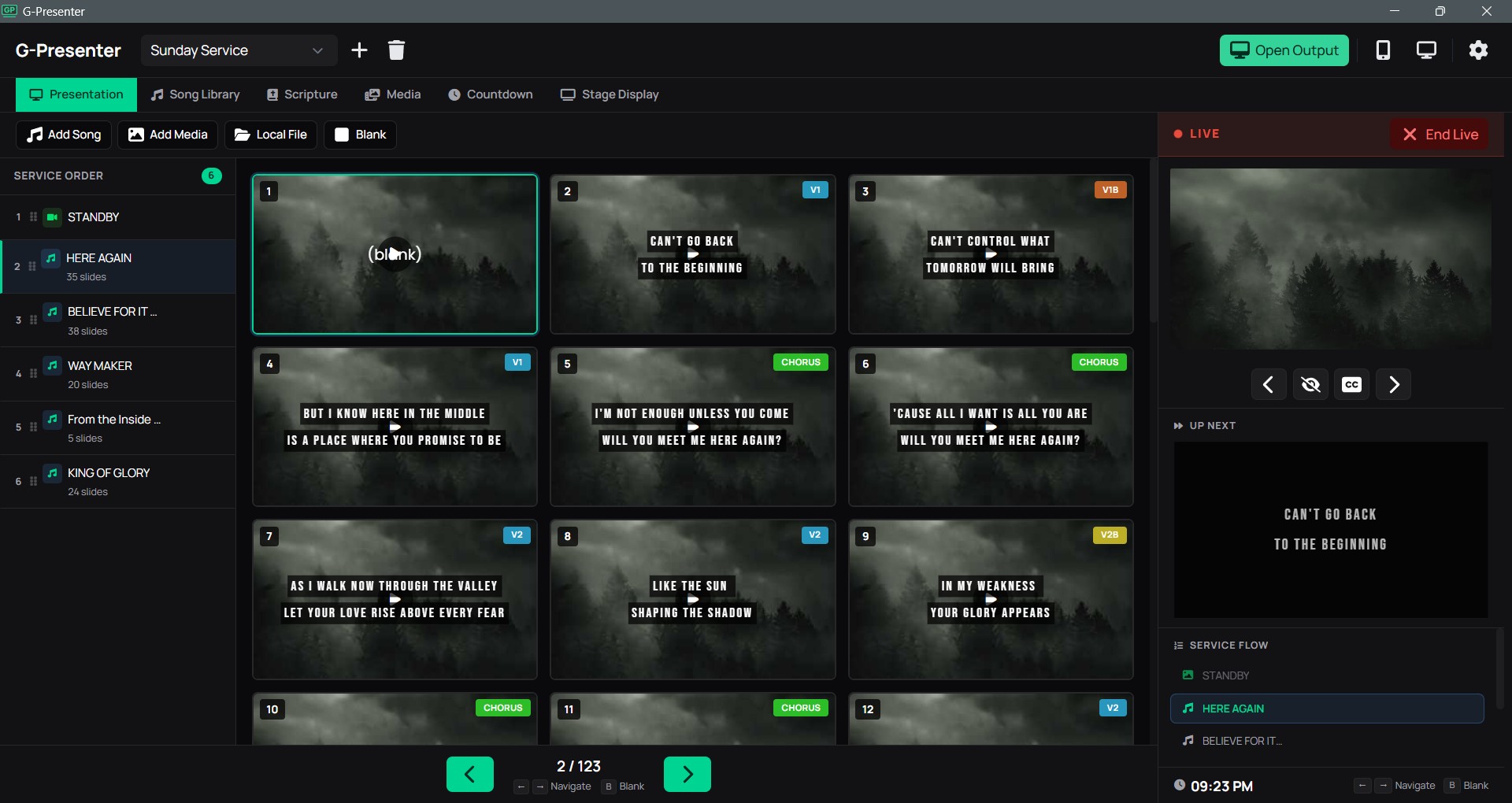
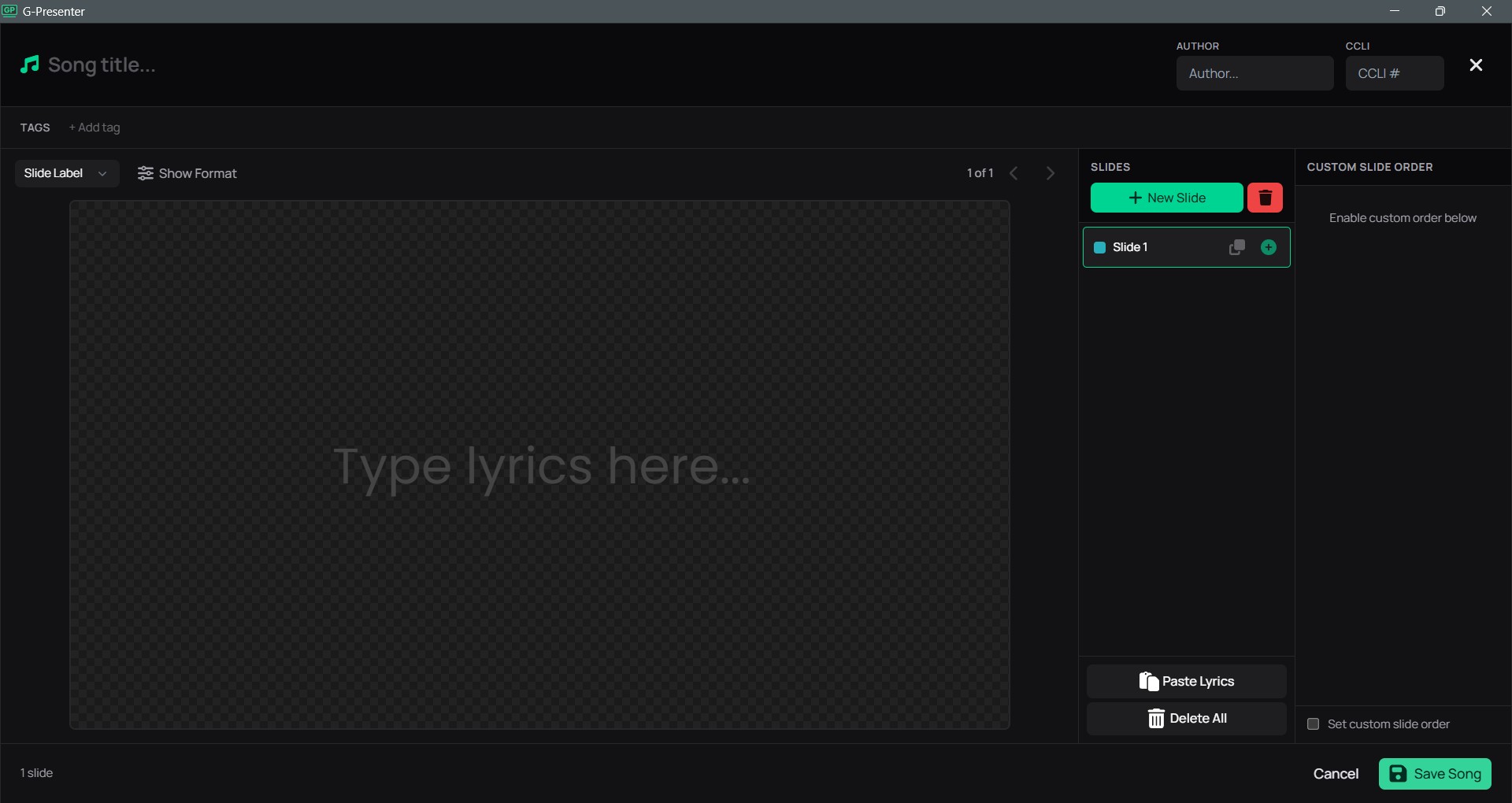
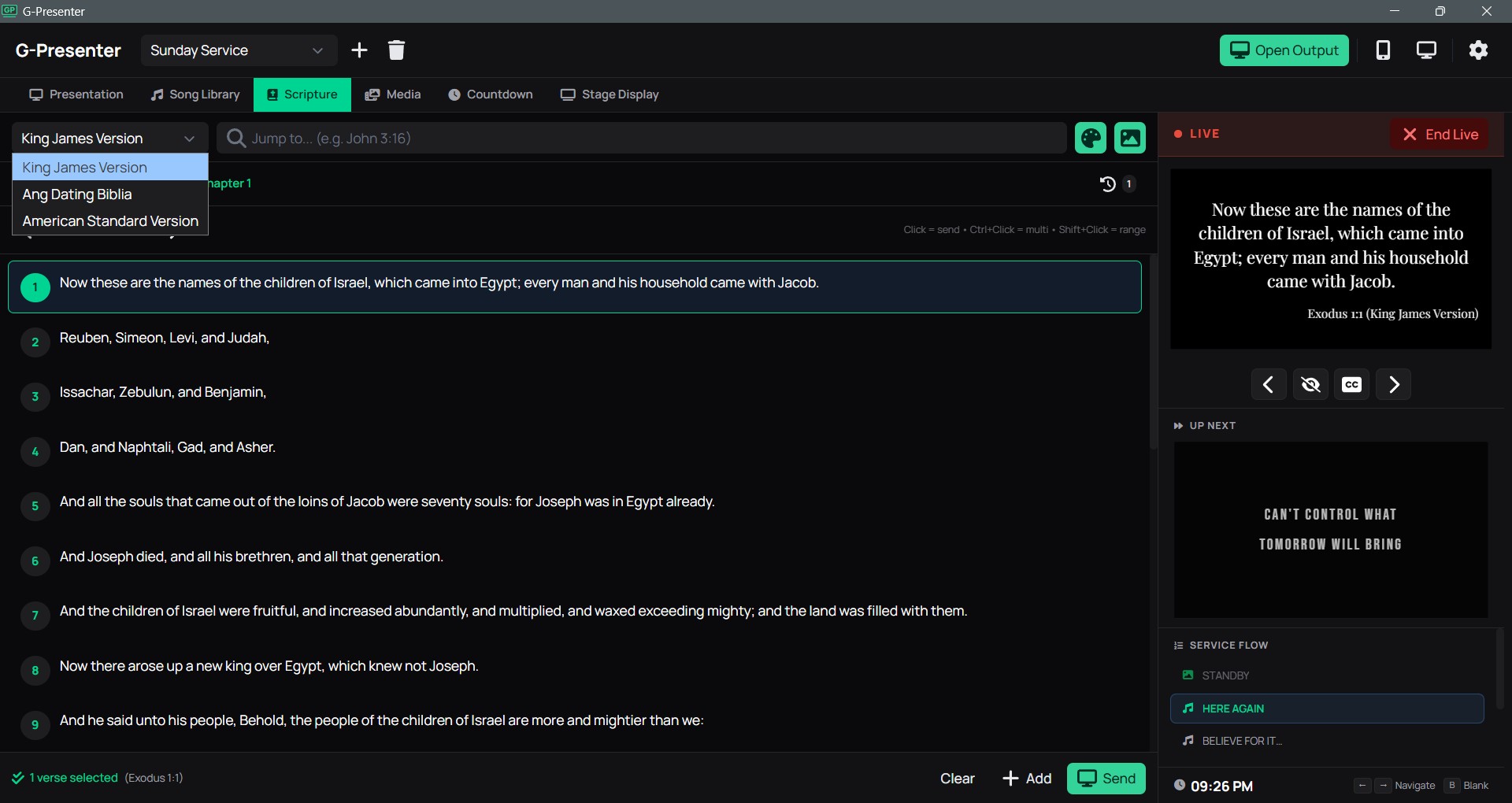
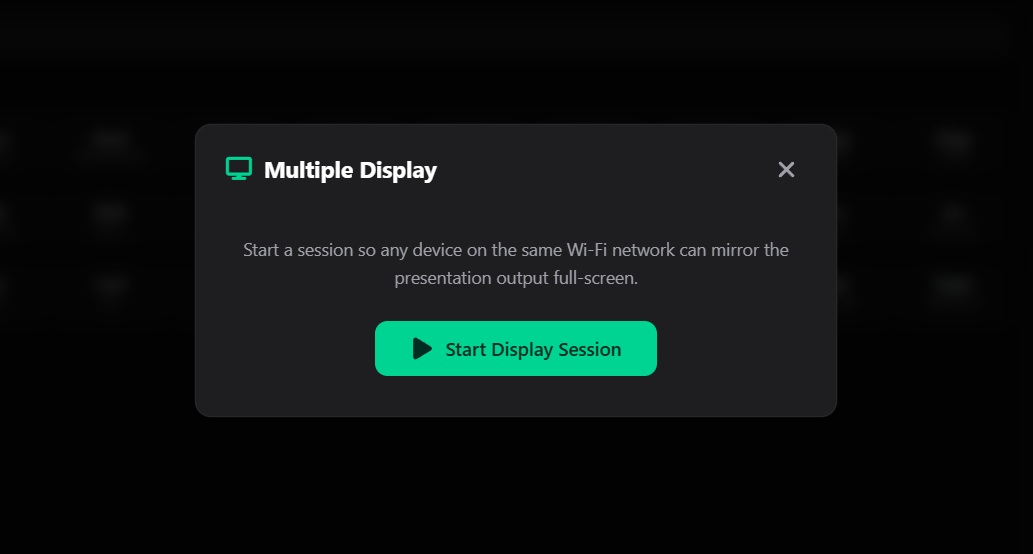
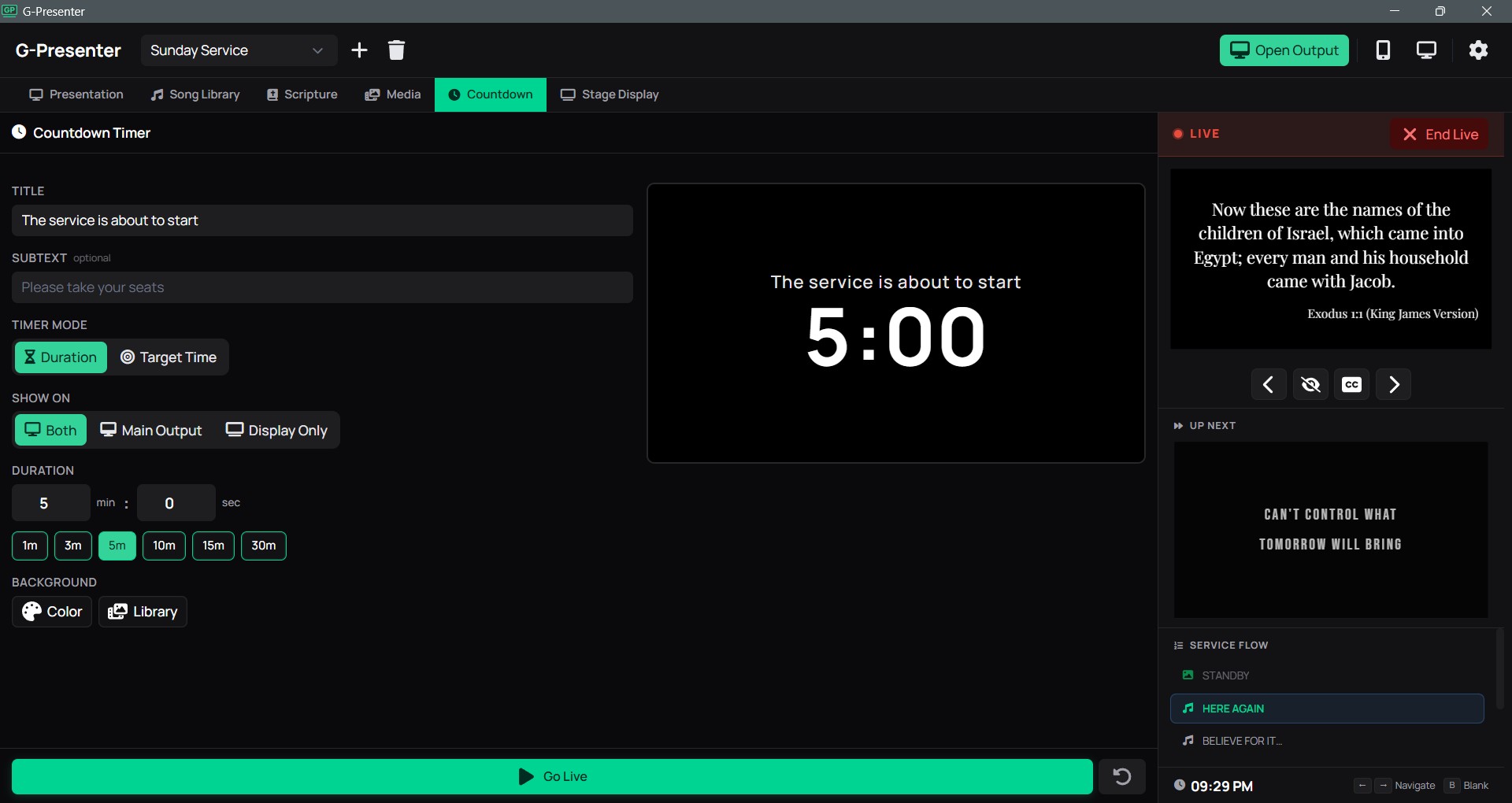
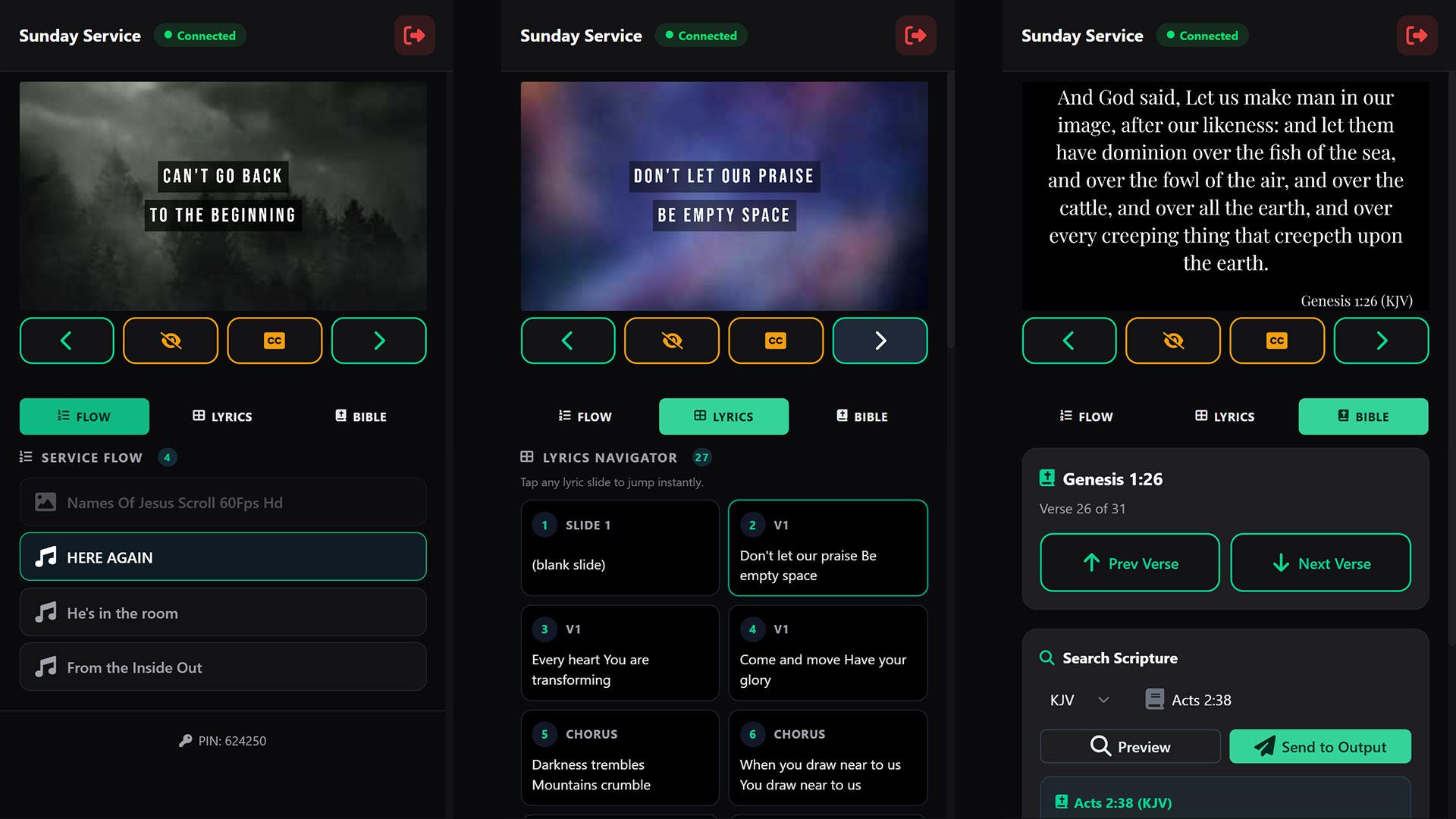
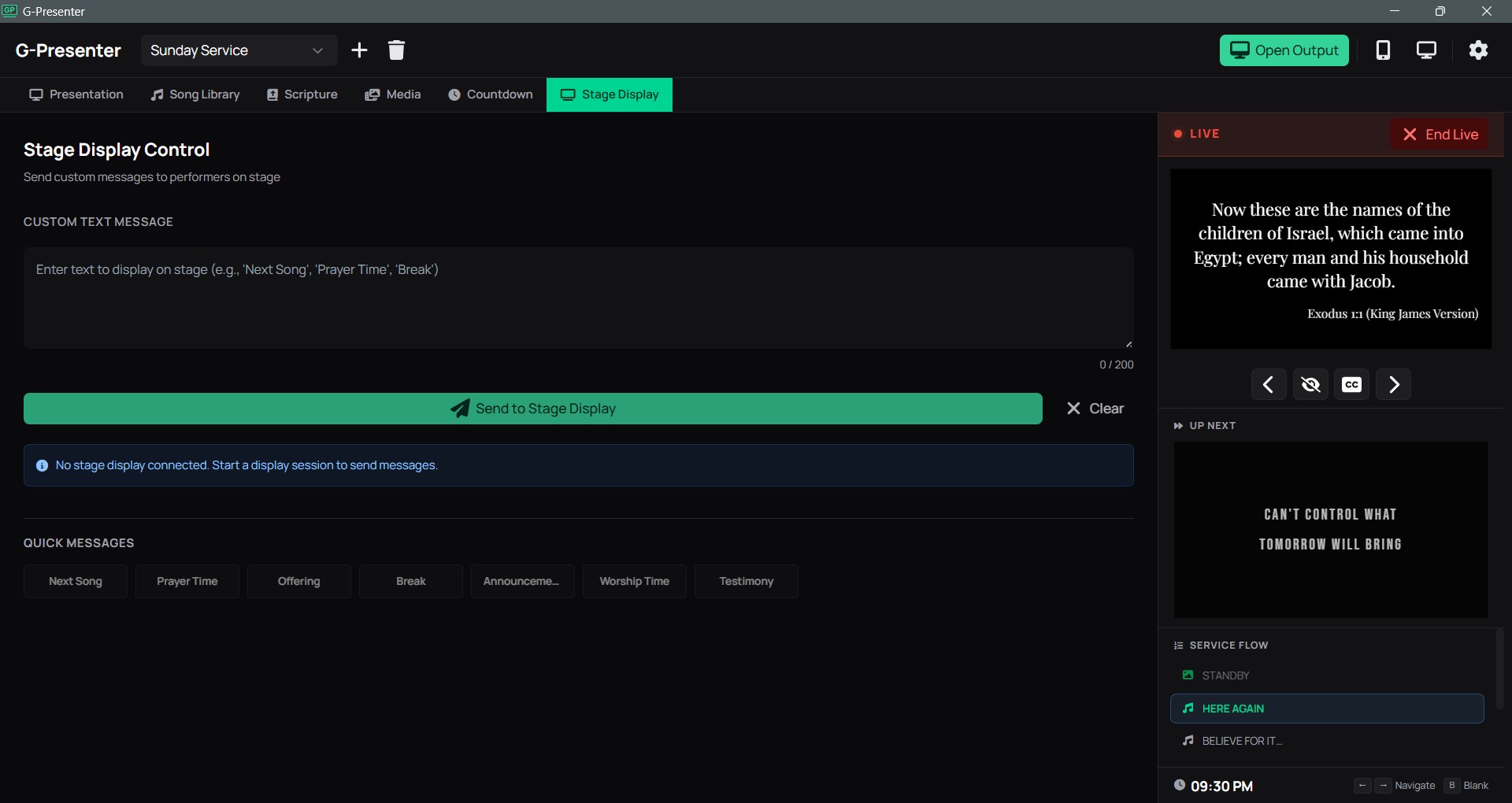
G-Presenter is a worship presentation app built for simplicity. Manage songs, display Bible verses, set backgrounds, and sync to extra screens over your local network. No account required. Nothing stored in the cloud.
No account required. No subscription.
El Exorcismo De Almansa Comic Pdf Work [best] Jun 2026
In many rural Spanish communities, tradition acts as a binding agent. The comic explores what happens when that tradition is weaponized by a supernatural entity. The "horror" is not just the demon, but the disruption of the social order. The possessed individual often voices repressed communal tensions, turning the exorcism into a theatrical performance of local guilt and sin.
This paper seeks to analyze the mechanisms through which the comic generates its narrative power. It posits that the work’s success lies in the juxtaposition of the sacred and the profane, the global horror aesthetic and the local "manchego" reality. el exorcismo de almansa comic pdf work
The perpetrators were eventually acquitted of murder due to "mental alienation" (enajenación mental), a controversial verdict that remains a dark stain on Spanish legal history. Artist and Creative Vision In many rural Spanish communities, tradition acts as
The comic takes a unique stance: It does not show the demon as a red monster with horns. Instead, the "demon" is drawn as a shadow over the town’s church—suggesting that Almansa itself was the patient zero of a collective madness. The perpetrators were eventually acquitted of murder due
is a graphic novel created by José Ángel de Álvaro that adapts one of Spain’s most disturbing real-life criminal cases. Originally published by Unbrained Comics in 2022 and later re-released by Yeray Ediciones in 2024, the work serves as a chilling exploration of religious fanaticism and collective psychosis. Narrative and Historical Context
The comic is firmly in the subgenre, with elements of Catholic horror (a la The Exorcist but Spanish). Key themes include:
The work is 64 pages, black and white, with heavy use of claroscuro (chiaroscuro). Unlike American comics, there are no sound effects ( Bam! Pow! ). The horror is silent.
In many rural Spanish communities, tradition acts as a binding agent. The comic explores what happens when that tradition is weaponized by a supernatural entity. The "horror" is not just the demon, but the disruption of the social order. The possessed individual often voices repressed communal tensions, turning the exorcism into a theatrical performance of local guilt and sin.
This paper seeks to analyze the mechanisms through which the comic generates its narrative power. It posits that the work’s success lies in the juxtaposition of the sacred and the profane, the global horror aesthetic and the local "manchego" reality.
The perpetrators were eventually acquitted of murder due to "mental alienation" (enajenación mental), a controversial verdict that remains a dark stain on Spanish legal history. Artist and Creative Vision
The comic takes a unique stance: It does not show the demon as a red monster with horns. Instead, the "demon" is drawn as a shadow over the town’s church—suggesting that Almansa itself was the patient zero of a collective madness.
is a graphic novel created by José Ángel de Álvaro that adapts one of Spain’s most disturbing real-life criminal cases. Originally published by Unbrained Comics in 2022 and later re-released by Yeray Ediciones in 2024, the work serves as a chilling exploration of religious fanaticism and collective psychosis. Narrative and Historical Context
The comic is firmly in the subgenre, with elements of Catholic horror (a la The Exorcist but Spanish). Key themes include:
The work is 64 pages, black and white, with heavy use of claroscuro (chiaroscuro). Unlike American comics, there are no sound effects ( Bam! Pow! ). The horror is silent.