

Boar Corp Artofzoo Verified Best < Fast >
Wildlife photography is a blend of technical skill, patience, and naturalist knowledge. It is often described as 90% waiting and 10% shooting.
One day, Boar Corp collaborated with a talented artist, known for her work with the "Artofzoo" community. This artist, who went by the name "Verified," had a passion for creating stunning murals and sculptures that highlighted the beauty of wildlife.
“You try to steal a soul with a machine,” David had said that first night, not unkindly. boar corp artofzoo verified
Art is obsessed with color theory. While a journalist might shoot a lion at noon to ensure proper exposure, a nature artist waits for the "sweet light." The warm, diffused glow of sunrise turns a grazing zebra into a sepia-toned etching. The cool, monochromatic blue of twilight turns a sleeping owl into a ghostly silhouette. Color, in this context, is the primary emotional driver.
The shift began in the late 20th century with photographers like Art Wolfe and Frans Lanting. They introduced compositional techniques borrowed from abstract expressionism and impressionism. Suddenly, a flamingo wasn't just a bird; it was a curve of magenta against a mirror of water. An elephant wasn't just a mammal; it was a study in texture and shadow. Wildlife photography is a blend of technical skill,
Perhaps the most significant role of wildlife photography and nature art today is We protect what we love, and we love what we find beautiful.
The bear was there. But it was not a National Geographic cover. The fur held no sharp texture. You could not count its claws. Instead, the photograph was a wash of luminous gold and deep, shadowy teal. The bear was a silhouette of milk, defined only by the halo of light around its back and the burning emerald of the forest reflected in the creek. It looked like a spirit dissolving into the world. It looked like one of David’s charcoal sketches, but made of rain and light. This artist, who went by the name "Verified,"
: Showcasing award-winning landscape and wildlife collections. Jules Oldroyd : Focuses on the "dignity and soul" of wild beings. Dan Kosmayer
 Brianna Parker
 S.K. Gupta

 Kevin Johnson




Loved this!
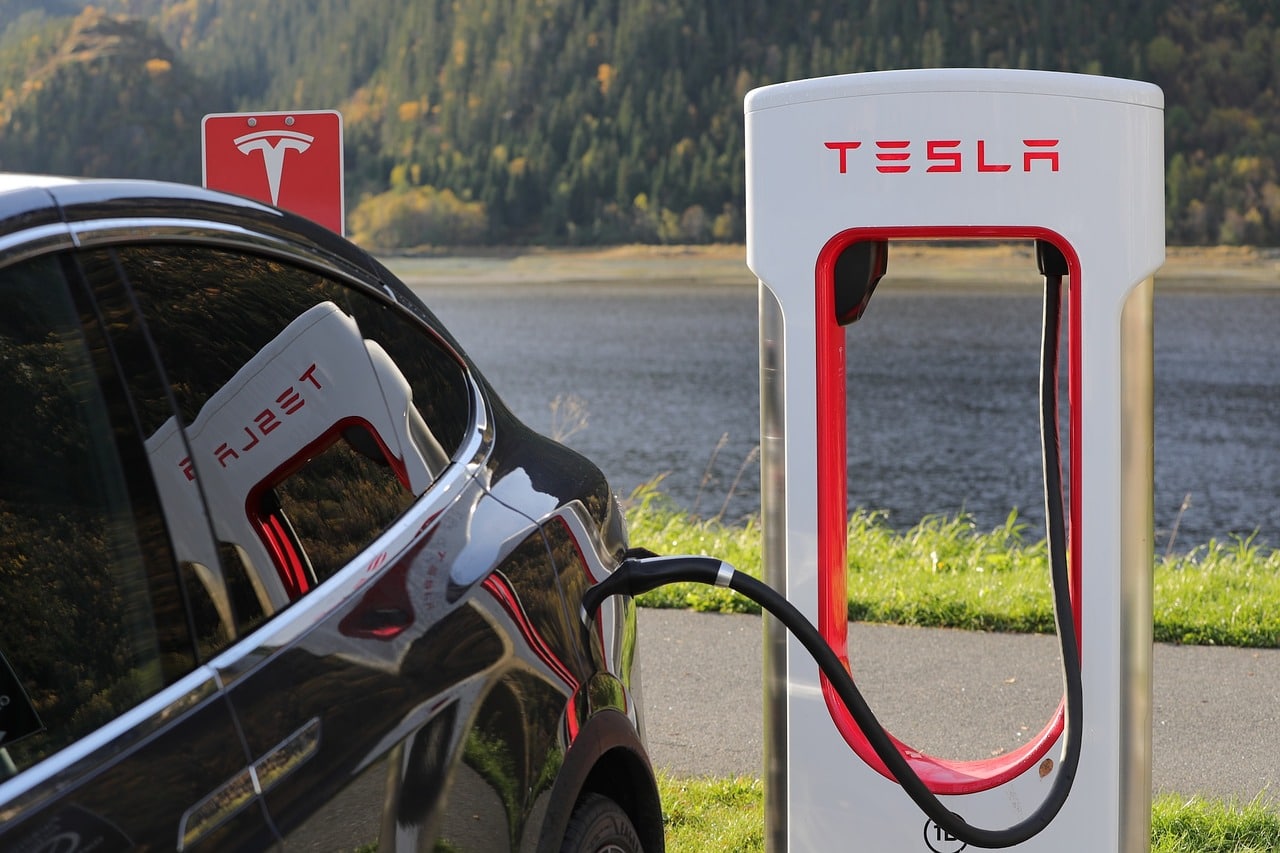
Tesla’s business model focuses on high-performance EVs, advanced technology, and solar energy. They target diverse customer segments, partner strategically, and emphasize innovation. Their revenue comes from vehicle sales, energy products, and services.